
Passive fire protection (PFP) plays a vital role in modern building safety, helping to contain the spread of fire and smoke through structural elements and allowing occupants time to evacuate safely. At Fire Industry Specialists (FIS) Ltd, we provide complete passive fire protection services across the whole UK through the backing of the LS Fire Group, ensuring your building is protected, compliant, and built for resilience.
With IFC third-party certified engineers, in-house design support, and years of experience working across commercial and industrial projects, we’re trusted passive fire protection contractors for everything from fire stopping installation to complex fire compartmentation strategies.
What is passive fire protection?
Passive fire protection refers to systems and products built into the fabric of a building to slow or contain the spread of fire. Unlike active systems (such as alarms or sprinklers), passive fire protection doesn’t require activation; it works automatically as part of the building’s structure.
Key passive fire protection systems include:
- Fire stopping (walls, floors, penetrations)
- Fire barriers and cavity barriers
- Intumescent coatings and paints
- Structural steel fire protection
- Fire-resisting walls, ceilings, and enclosures
These systems are essential for meeting UK Building Regulations, especially Approved Document B, and fire safety standards like BS 476 and BS EN 1366. Whether you’re managing an existing property or developing a new one, a professionally designed and installed passive fire protection system is key to compliance and safety.
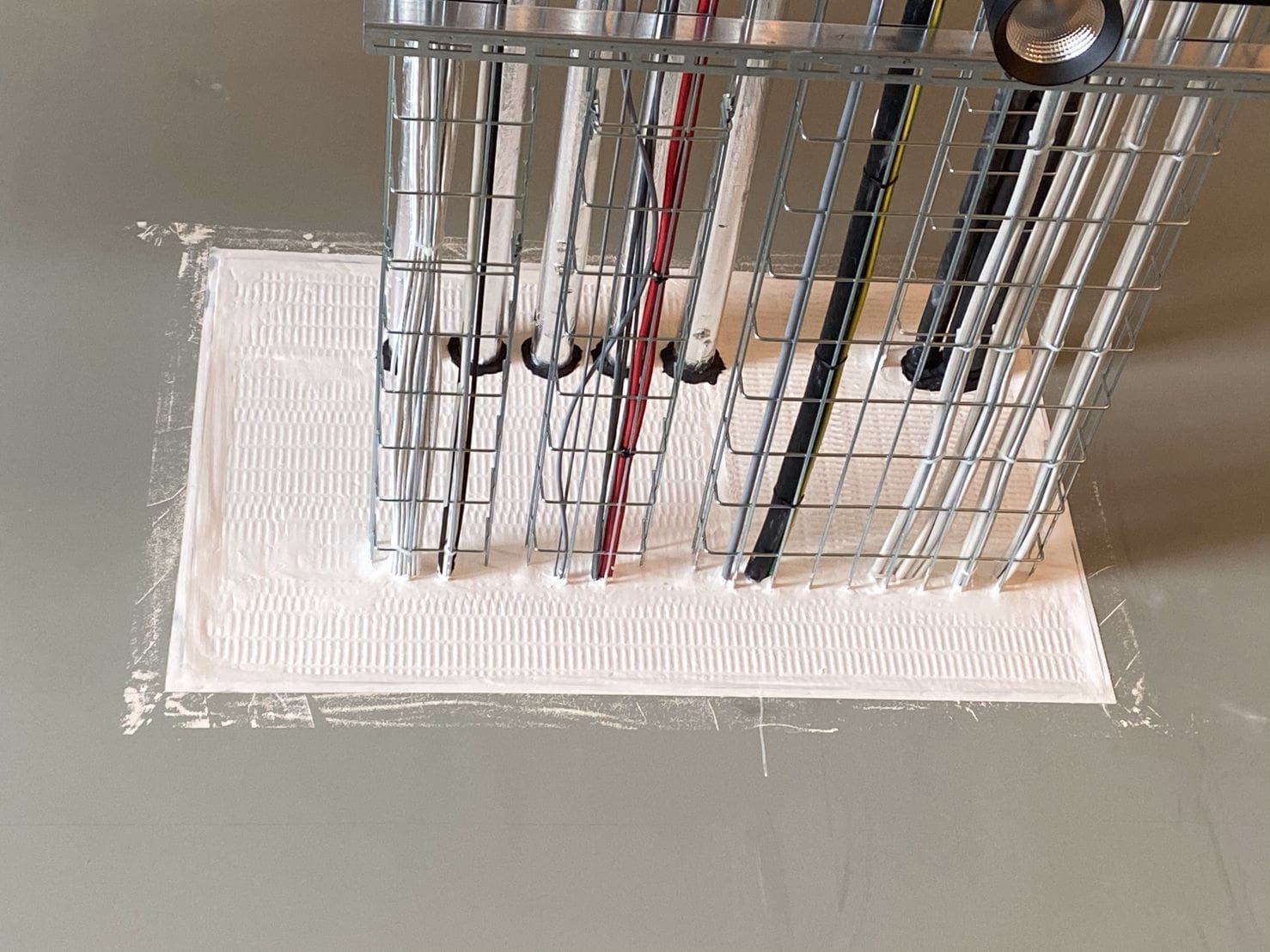
Industrial passive fire protection solutions
At FIS Ltd, we support a wide range of industrial premises, from warehouses and distribution hubs to factories and processing plants. These environments often pose higher fire risks due to scale, equipment, or combustible materials. That’s why we tailor passive fire protection strategies around your building’s usage and fire load.
We’re frequently called on for:
- Industrial fire stopping
- Structural steel fire protection for load-bearing elements
- Integration of passive fire safety systems with fire strategies and risk assessments
- Retrospective passive fire upgrades in older or high-risk sites
Whether you’re planning a new development or upgrading an existing site, our passive fire protection specialists work closely with your teams to design and deliver fully compliant systems.
Passive fire protection installation and design support
From specification to final sign-off, we provide full passive fire protection installation services across the UK. Our engineers are IFC third-party certified, giving you full assurance that your systems are installed to the highest safety standards.
We can work from an existing fire strategy or develop one alongside our installation services, ensuring fire compartmentation, integrity, and compliance are always considered.
Our in-house teams will:
- Assess architectural plans or existing conditions
- Recommend suitable passive fire products
- Supply and install all required systems
- Provide certification and record-keeping support for your fire risk file
Passive fire safety solutions are most effective when installed during construction, but we also retrofit systems in older properties as part of fire risk mitigation or after a fire safety audit.
Our passive fire protection services
Fire stopping
Protect walls, floors, and service penetrations using tested fire stopping products, helping maintain compartmentation and resist fire spread.
Fire barriers and cavity barriers
Install horizontal and vertical fire barriers to prevent fire and smoke from travelling through concealed roof or wall spaces.
Structural steel fire protection
Use intumescent paints or fire boarding to protect load-bearing steel against collapse during high temperatures.
Intumescent coatings and paints
Provide decorative or hidden coatings that expand in the presence of heat, helping preserve the integrity of underlying surfaces.
Surveys and remedial work
Evaluate your current passive fire protection system through a passive fire survey and identify areas requiring improvement to meet legal standards.
We operate as passive fire protection installers and consultants, helping clients across a wide range of commercial and industrial sectors, including housing, healthcare, education, logistics, retail, and manufacturing.
Why choose FIS Ltd for your passive fire protection?
- IFC third-party certified installers: All our passive fire protection work is carried out by qualified engineers certified under the International Fire Consultants (IFC) scheme, giving you total peace of mind.
- UK standards compliance: Our systems are installed in accordance with UK fire safety legislation, including the Regulatory Reform (Fire Safety) Order 2005, BS 476, BS EN 1366, and Approved Document B.
- Design support from day one: We’re more than just contractors; we offer end-to-end passive fire safety services, supporting main contractors, developers, and facilities teams at every stage.
- Nationwide reach, local service: From our base in the East Midlands, we work across the UK. We have a strong presence in Nottingham, Lincoln, Sheffield, and Manchester, and operate across England, Wales, and Scotland through our LS Fire Group network.
- Expertise across sectors: We’ve delivered passive fire protection systems across everything from new-build student accommodation to commercial offices, healthcare facilities, industrial units, and complex heritage conversions.
Book your passive fire protection assessment today
Whether you’re planning a new project or retrofitting an existing site, we’re here to help. We offer passive fire protection services tailored to your building, your regulations, and your sector.
We can support you with:
- Full system design and installation
- IFC-certified workmanship and materials
- Legal compliance guidance and support
- Ongoing maintenance and remedial advice
Call us today or complete our short enquiry form to book your fire protection assessment. Our experts are here to help you protect lives, safeguard assets, and meet your fire safety obligations, wherever you are in the UK.
Fire safety is a responsibility that never rests and we’re here to implement complete fire protection for your business. Get in touch with our industry-leading experts to learn how we prevent fires, protect lives, and ensure compliance for you.

Passive Fire Protection FAQs
- What is passive fire protection and how does it help in an emergency?
- Passive fire protection refers to the built-in fire safety systems within a building that work to slow the spread of fire and smoke. Unlike active systems like alarms or sprinklers, passive measures are always in place and require no activation. These include fire-resistant walls, floors, ceilings, and specially designed fire stops that seal gaps where services pass through. Passive fire stopping is particularly crucial for maintaining compartmentation, which is the principle of dividing a building into fire-resistant sections to contain a fire to its area of origin. At Fire Industry Specialists Ltd (FIS), we design, install, and maintain passive fire protection systems that comply with UK legislation and help protect lives and assets in the event of a fire.
- What types of passive fire protection products are commonly used in buildings?
- A range of passive fire protection products are used to improve the fire resistance of a structure, each designed for specific applications. These include fire-rated boards, intumescent paints, fire collars, wraps, and sealants for penetrations, as well as cavity barriers and fire-resistant doors. These products work together to preserve compartmentation and prevent fire and smoke from spreading through concealed voids or structural breaches. Whether you’re operating an industrial facility, commercial premises, or residential development, Fire Industry Specialists Ltd supplies and installs tested and certified passive fire protection products across Nottingham, Lincoln and throughout the UK.
- Why are passive fire protection contractors necessary for compliance?
- Using certified passive fire protection contractors is essential to ensure your building meets UK fire safety regulations. Professional contractors understand how to assess your building’s risk profile, identify areas that need reinforcement, and install appropriate passive fire protection systems in line with legal standards. Poorly executed installations or untested solutions can compromise your fire strategy and endanger lives. As experienced passive fire protection contractors, FIS Ltd delivers fully compliant, third-party accredited solutions for clients in Manchester, Lincoln, Nottingham, and across the UK. We offer end-to-end support, from surveys and planning to installation and certification.
- What is involved in passive fire protection installation?
- Passive fire protection installation involves assessing the layout of your building, identifying potential fire spread pathways, and applying the appropriate materials to resist fire and smoke. This could include installing fire-stopping barriers, treating steelwork with intumescent paint, or sealing penetrations in fire-rated walls and floors. The process must be handled with precision, using approved systems and techniques, to ensure effectiveness in a real fire scenario. FIS Ltd provides expert passive fire protection installation, helping clients maintain safe environments and meet all regulatory obligations with confidence.
- Is passive fire protection suitable for industrial buildings?
- Yes, passive fire protection is essential in industrial environments where fire risks are often heightened due to the presence of heavy machinery, large volumes of combustible materials, or complex layouts. Industrial passive fire protection solutions are designed to protect both people and assets, reduce downtime in the event of an incident, and support business continuity. Fire Industry Specialists Ltd offers tailored services for industrial clients, including custom fire stopping strategies, structural steel protection, and compartmentation planning. Whether you manage a factory, warehouse, or processing facility, our passive fire protection services can help you mitigate fire risk and maintain regulatory compliance.
- How does passive fire protection support long-term fire safety compliance?
- Passive fire protection plays a vital role in helping buildings meet long-term compliance with UK fire safety legislation, such as the Regulatory Reform (Fire Safety) Order 2005 and Approved Document B of the Building Regulations. By creating fire-resisting compartments and slowing the spread of heat, smoke, and flames, systems such as fire stopping and structural steel protection ensure your building performs as required in an emergency. Working with IFC-certified passive fire protection contractors, like FIS Ltd, means your installations are documented, regularly maintained, and legally defensible, protecting you from compliance failures and insurance issues.
- What industries benefit most from passive fire protection services?
- Passive fire protection systems are essential across a wide range of sectors, particularly in industrial, commercial, and public sector buildings. Warehouses, logistics centres, manufacturing plants, hospitals, schools, and multi-occupancy residential developments all require fire stopping systems and passive fire protection installation to meet safety standards. At FIS Ltd, we provide tailored passive fire protection services across Nottingham, Sheffield, Lincoln, Manchester, and nationally, ensuring your facility meets fire strategy requirements and stays operational.
- What is the lifespan of a passive fire protection system?
- The lifespan of a passive fire protection system depends on the materials used, environmental conditions, and how well the system is maintained. Many passive fire stopping products, such as intumescent sealants and fire barriers, are designed to last for decades when properly installed. However, changes to a building’s layout, additional service penetrations, or general wear and tear can compromise effectiveness over time. That’s why we recommend periodic reviews and maintenance, especially after refurbishment or upgrade works. Our team can assess the condition of your systems and provide updates or remedial solutions as needed.
- What are some common fire safety failures related to passive fire protection?
- Common issues in fire protection audits often stem from poor installation or a lack of ongoing maintenance. These include unsealed service penetrations, non-compliant fire stopping products, damaged fire barriers, and incorrectly applied intumescent coatings. Another issue is assuming active systems like alarms or sprinklers are sufficient without complementary passive fire safety solutions in place. Our engineers frequently discover missing or incomplete fire stopping during surveys in both new builds and retrofit projects. By working with qualified passive fire protection specialists, you can avoid these risks and ensure your building’s compliance is never compromised.
- How can I choose the right passive fire protection company in the UK?
- When selecting a passive fire protection company, look for third-party certification (such as IFC or FIRAS), proven experience across sectors, and transparent documentation processes. A qualified provider should offer design support, use tested passive fire protection products, and deliver compliant installation backed by digital records. We offer all of this and more. We’re a trusted contractor for commercial passive fire protection, known for supporting complex projects across Manchester, Nottingham, Sheffield, Lincoln, and beyond. Contact us to find out how we can support your building’s fire safety.